Soho Studio
Geneva.
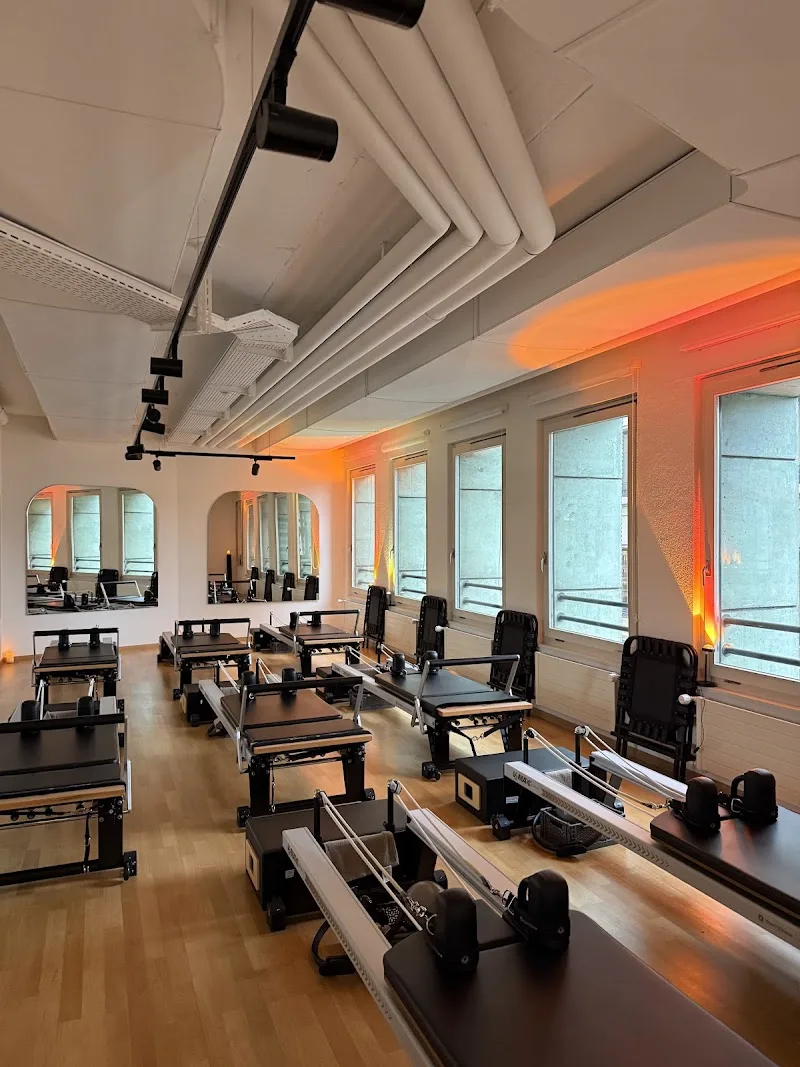
Soho Studio is a reformer Pilates studio located in Geneva, Switzerland. According to Google, Soho Studio has a public rating of 4.4★ based on 45 user reviews. The studio is listed on ReformerFinder, a directory of reformer pilates providers worldwide.
Information may be outdated or inaccurate; always confirm details directly with the studio before visiting. See our medical disclaimer for health-related considerations.
Soho Studio is a reformer Pilates studio actively listed in Geneva, Switzerland, tracked from public business sources. Reformer Pilates is a body-conditioning method developed by Joseph Pilates in the 1920s; modern teaching combines apparatus work (reformer, Cadillac, chair, barrel) with mat-based exercises and is used for general conditioning, rehabilitation, athletic preparation, and pregnancy or postpartum support. The listing does not publicly specify a training school; before booking, ask which program the instructors trained with (PMA, Polestar, Stott, BASI, Balanced Body, or classical Romana's) and how many hours. Public reviews aggregate 4.4★ across 45 ratings, a moderate but consistent signal. Confirm any orthopaedic, post-surgical, or pregnancy considerations directly with the studio before your first class. Comprehensive teacher-training programs typically require 450-600 hours.
See breakdown
| Verification | 40 | |
|---|---|---|
| Activity | 60 | |
| Transparency | 65 | |
| Engagement | 80 | |
| Conflict | 100 |
Computed from public business signals only — not a clinical assessment. See our methodology for how each dimension is measured.
What to wear
Underwear — the question nobody asks
Grip socks
What to bring
Arrival timing
Eating before class
Payment and cancellation policy
Changing rooms, showers, and mixed spaces
Do I need to be thin, fit, or flexible to start reformer?
What does my instructor actually see?
Will I fart during class?
Can I come to class on my period?
Can I do reformer with an IUD / coil (copper or hormonal)?
Is reformer safe with endometriosis?
What about peri-menopause and menopause — hot flashes, joint pain, bone density?
Can I do reformer after a miscarriage, D&C, or pregnancy loss?
What about during chemotherapy, radiotherapy, or cancer recovery?
Is reformer accessible for wheelchair users, amputees, or chronic-pain clients?
How do I handle anxiety before my first class?
I'm a man — will I be the only one in the class?
Can I bring kids, a stroller, or a baby? Are there teen classes?
What if I'm sore, hungover, or exhausted?
Will the instructor touch me?
Can I pee mid-class?
What if I can't keep up, forget the moves, or get confused?
Will I be judged for being bigger, older, male, pregnant, or new?
Do I need to shave my legs, wax, or anything like that?
Can I start reformer if I'm pregnant, postpartum, or trying to conceive?
What if I have an injury, disability, or medical condition?
How much does it really cost — all in?
Is reformer going to make me bulky?
How soon will I see results?
Reformer Pilates is a body-conditioning method developed by Joseph Pilates in the 1920s. Comprehensive teacher-training programs typically require 450-600 hours over 1-2 years. The certification a teacher holds is a strong proxy for the depth of their education.
PMA (Pilates Method Alliance, USA)
Polestar Pilates (international)
Stott Pilates / Merrithew (Canada)
BASI Pilates (USA, international)
Balanced Body (USA)
Romana's / Classical Pilates
- Which program did you certify with, and how many training hours did it require?
- Are you certified on Mat, Reformer, Cadillac, Chair, AND Barrel — or only some?
- How recently have you completed continuing education or advanced workshops?
- Do you have specific experience with my situation (back pain, post-surgery, pregnancy, athletic performance)?
- Are you covered by professional liability insurance for one-on-one and group instruction?
Absolute contraindications
Conditions that require a clinically-trained instructor
Pregnancy-specific cautions
Peri- and post-menopausal caution
Disclaimer
Class size above 12
No intake form or health-history question
Instructor certification isn't listed
Pushes you into a membership before trial
Instructor overrides your "no" on hands-on cueing
Pain sold as "good pain"
Have a question about reformer Pilates not covered here? Tell us — we'll add the answer (real questions from real clients shape this page).
How do I book an appointment at Soho Studio?
To book a session at Soho Studio, we recommend contacting their website directly. Most reformer Pilates studios offer online booking, email reservations, or phone scheduling. Availability can vary — contacting ahead is always advised.
What should I expect at a first visit to Soho Studio?
First-time visitors to a reformer Pilates studio typically arrive 10–15 minutes early for an intake consultation. Soho Studio may ask about your health history, goals, and any contraindications. Expect an intake form and a brief conversation before your first session.
How much does a session at Soho Studio cost?
Pricing at Soho Studio varies by session length, package, and whether it's a first visit, private, or group class. Typical reformer Pilates sessions in Geneva range around $35 – $90. For the current rate card, check with their website.
Is Soho Studio suitable for beginners?
Most reformer Pilates studios, including Soho Studio, welcome beginners. A qualified practitioner will adapt the session to your level and any specific health concerns. If you've never tried reformer Pilates before, mention it when booking so they can prepare accordingly.
Does Soho Studio offer private, group, or gift options?
Many studios in Geneva offer flexible formats: private one-on-one sessions, duet/group classes, corporate wellness bookings, and gift vouchers. Specific offerings vary — contact their website to ask about private sessions, gift cards, package deals, and multi-session memberships.
Private sessions
One-on-one format with a dedicated practitioner, useful for personalized pacing, specific goals, or recovery. Availability varies — ask Soho Studio about private rates.
Group & duet classes
Some studios in the city offer duet (2-person) or small-group formats, often at a reduced per-person rate. Check directly with Soho Studio for current schedule and group sizes.
Gift vouchers & cards
Gift vouchers make a practical wellness present and are commonly available at established studios. Visit their website or reach out to confirm.
Memberships & multi-session packages
Regular practice is typically priced more affordably through 5-class packs, 10-class packs, or monthly memberships. Trial packages for new clients are also common.
Corporate & event bookings
For team-building, corporate wellness events, or private group sessions, many studios take direct bookings. Mention the size of your party and preferred format when you inquire.
Availability and pricing are set by the studio and can change. Always confirm before booking.
A reformer Pilates class uses a spring-loaded bed-like apparatus to support and resist movement, allowing for controlled, low-impact exercise. Expect a full-body workout focused on core strength, alignment, and flexibility. Sessions typically run 45 to 60 minutes in small groups or private format. Studios usually provide grip socks (or require them), and comfortable fitted athletic wear is recommended.
Own this studio?
Claim your profile and get featured at the top of Geneva.
Get Featured →