Editor's Pick
See full listing →
Vol. I · Updated April 2026 · 🇰🇷 South Korea
The Seoul Edit
Best Reformer Pilates in Seoul 2026.
19 studios in Seoul — ranked by Google rating. Typical price: $35 – $90 per class · varies by studio.
Also known as: Reformer Pilates · Pilates reformer classes · reformer studio · Pilates machine · clinical Pilates · group reformer · private reformer · Pilates near me · reformer workout · Megaformer · Lagree · cardio reformer · jumpboard Pilates · prenatal Pilates · postnatal Pilates
Editor’s PickOur top studio in Seoul
Editor’s Pick
This month in Seoul
New York Natural Care
Seoul
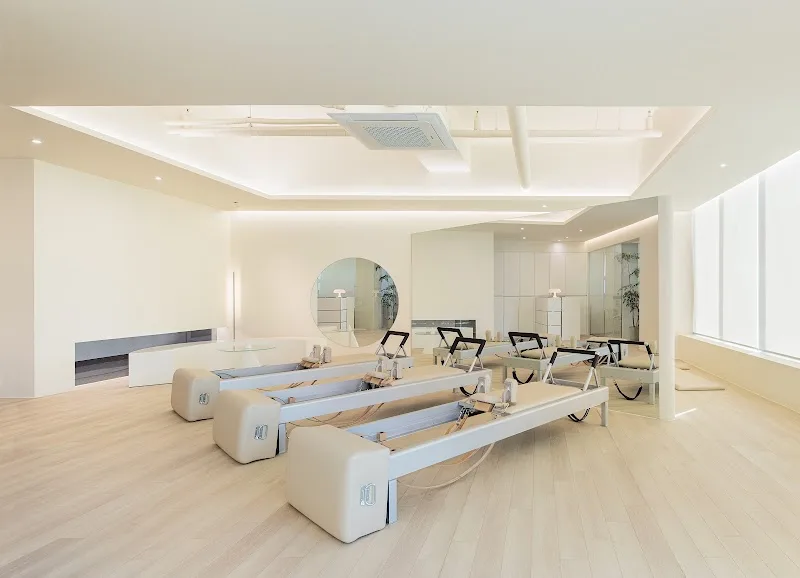
"A top-rated reformer Pilates studio in Seoul, with a strong following."
4.9★
260 reviews
Source
Source
#1
in Seoul
The Seoul listOrdered by rating, featured first
Reformer Pilates studios in Seoul
 ★ Featured
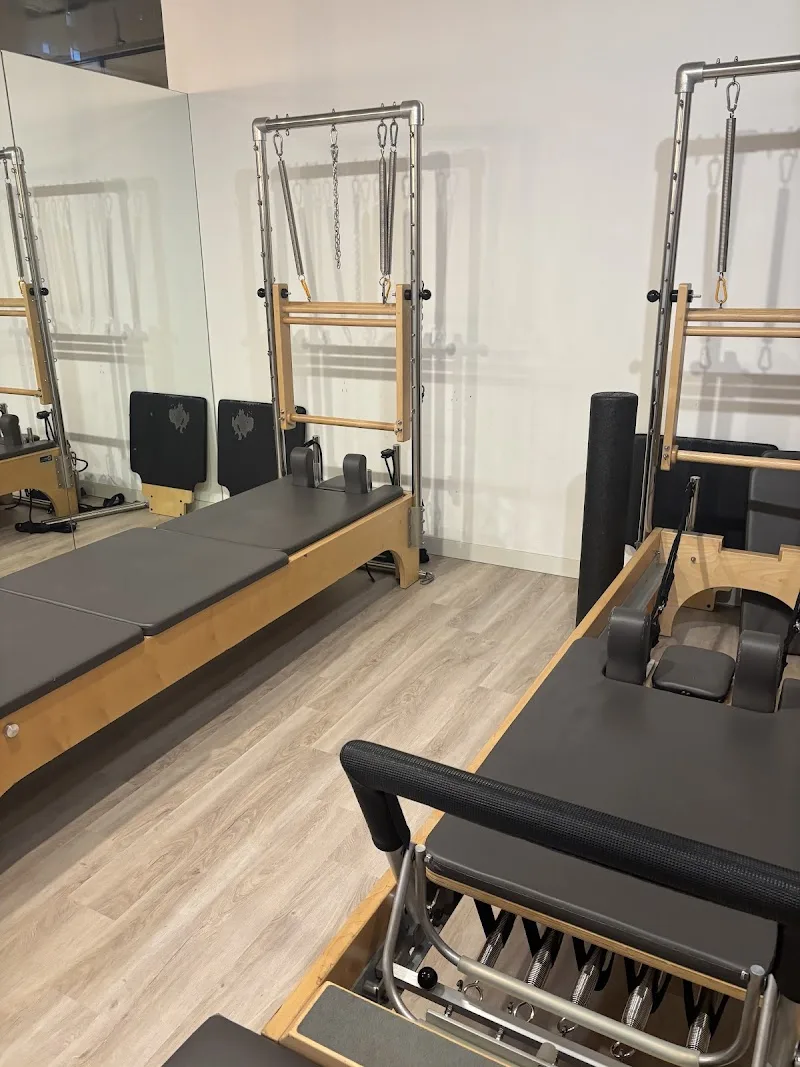
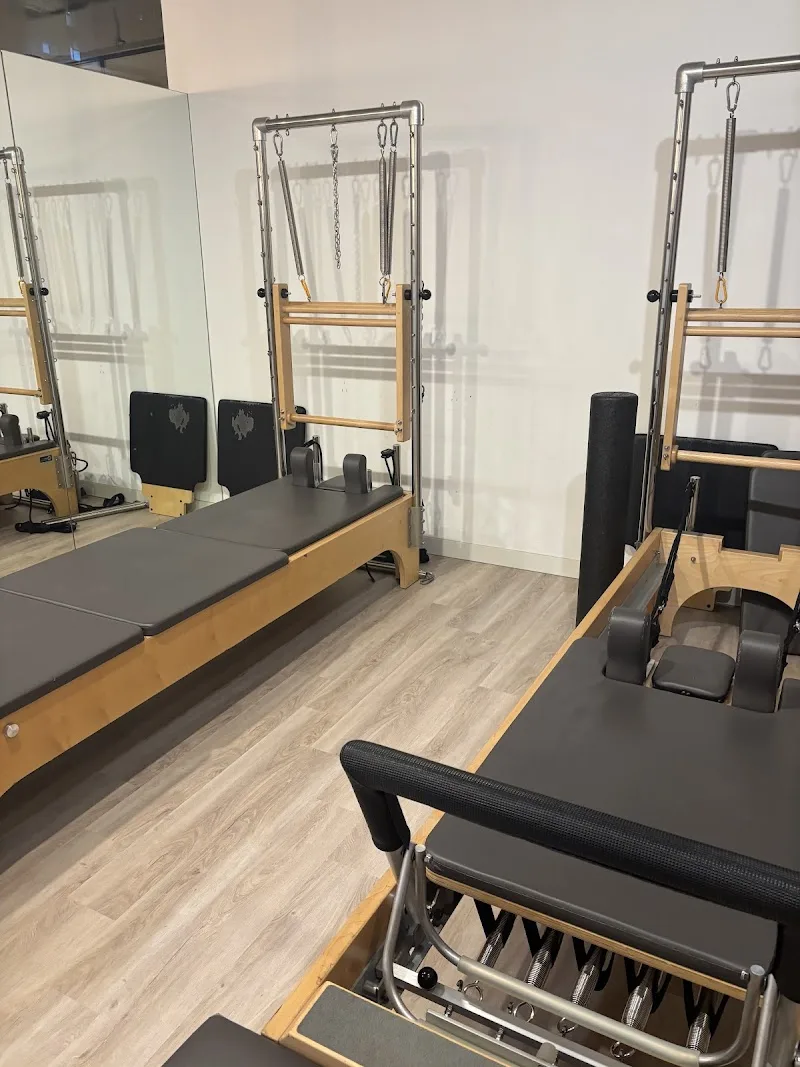
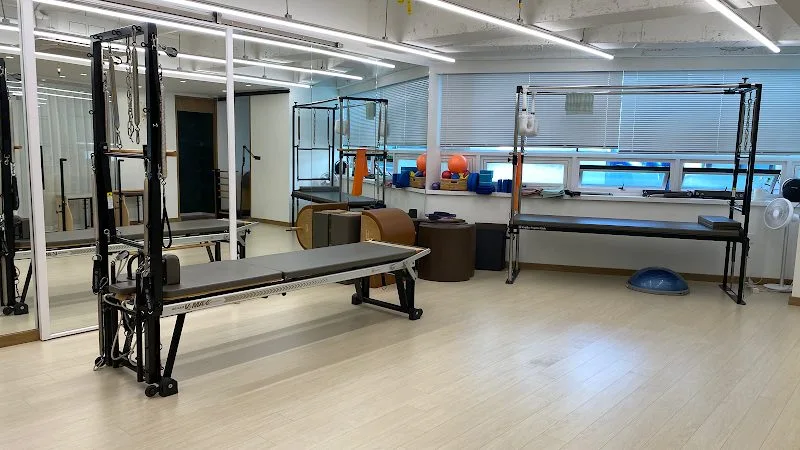
리본필라테스 마포공덕점
78 Mapo-daero, Mapo-gu, Seoul, South Korea
Visit website ↗
 ★ Featured
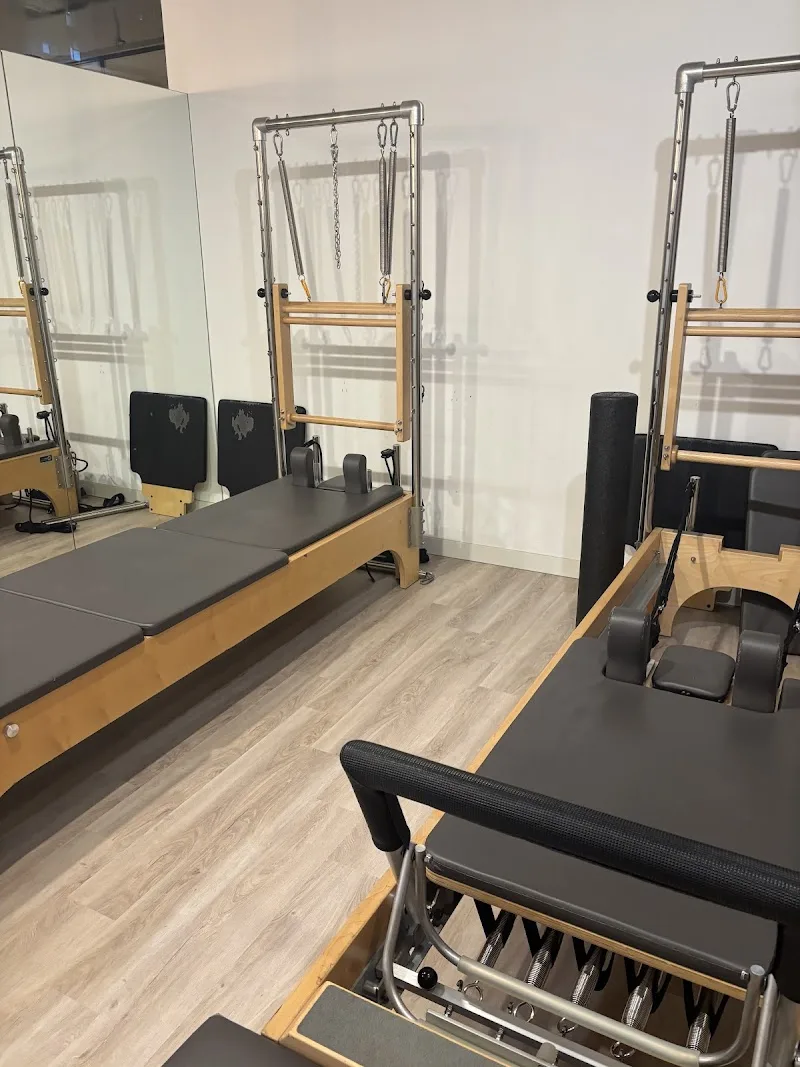
WITH PILATES
South Korea, Seoul, 595 10번지 위드필라테스 2층 KR 서울특별시 강남구 논현로164길 27
Visit website ↗
View profile →
 ★ Featured
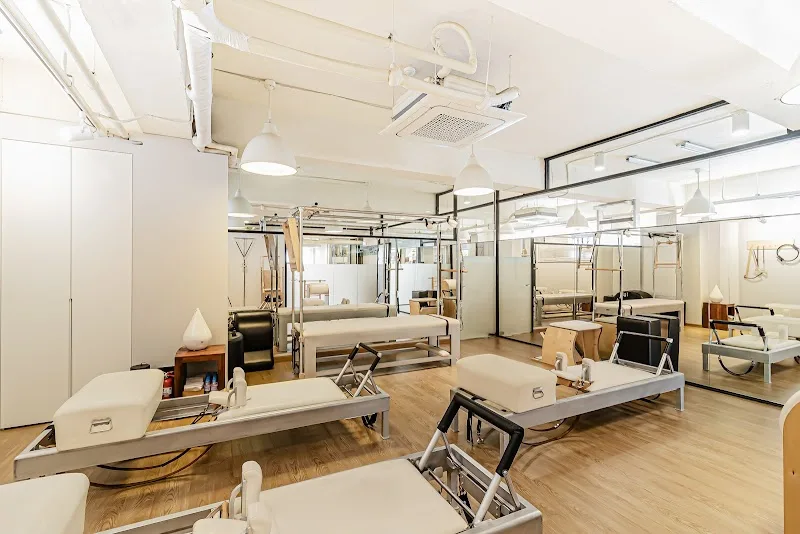
제니필라테스
South Korea, Seoul, Mapo-gu, Yanghwa-ro 6-gil, 78 평화빌딩 2층
Visit website ↗
 ★ Featured
leafpilates Cheongdam Studio
South Korea, Seoul, Gangnam District, 청담동 Yeongdong-daero 137-gil, 6 백송빌딩 4층
Visit website ↗
View profile →
★ Featured
MODERN PILATES Sinnonhyeon
South Korea, Seoul, Seocho District, Seoun-ro, 207 4층
Visit website ↗
View profile →
Seoul counts 19 reformer Pilates studios listed on ReformerFinder, with an average Google rating of 4.8★ across 553 public reviews. 95% of these studios hold a 4.5★ rating or above — above the global market average of 35%. This is the editorial guide we wish we had when we started looking for reformer Pilates in Seoul.
Seoul at a glanceThe scene in numbers
19 reformer Pilates studios documented — 6 of them hold a Featured listing (Editor’s Pick program).
4.8★ average rating across 553 reviews. Median review count per studio is 15 — a useful signal for how established these studios are.
Rating distribution: 18 rated 4.5★ or above, 0 between 4.0 and 4.4★, and 1 below 4.0★. Always check recency of reviews before booking.
Top studios in SeoulRanked by rating and review volume
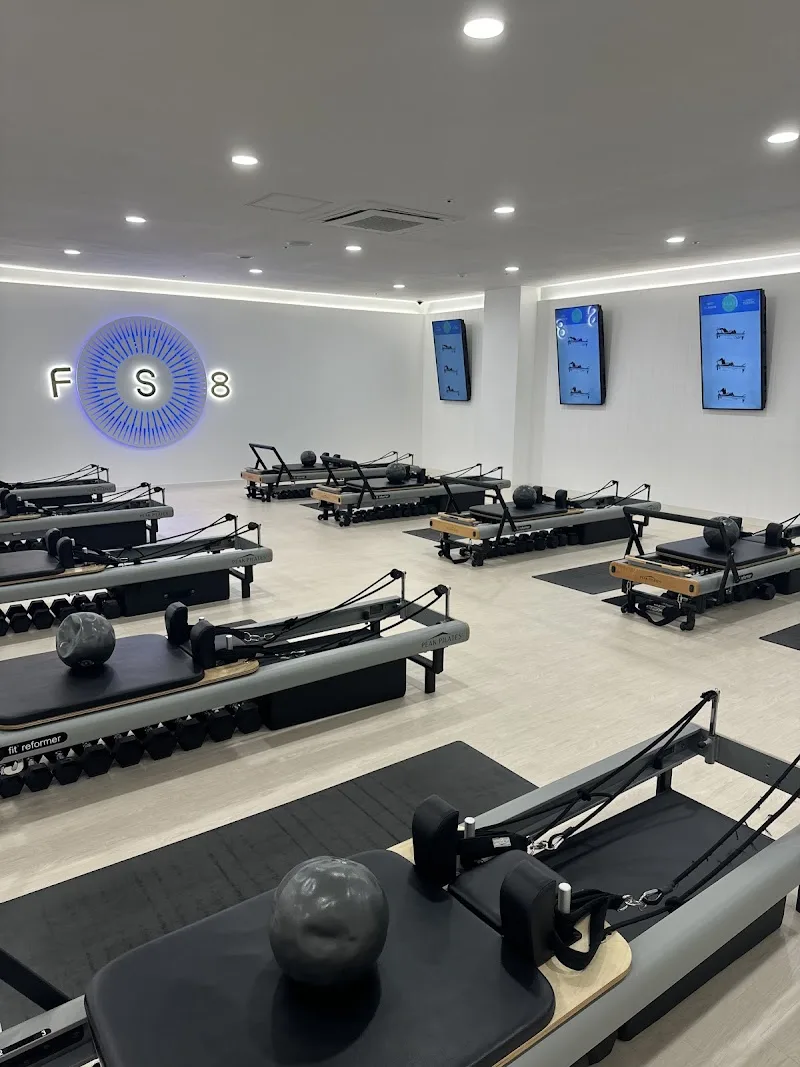
2. FS8 Seongsu
Featured
See full listing →
3. MODERN PILATES Sinnonhyeon
4. Alleez Pilates
5. 영스(YOUNGS)필라테스 스튜디오 서울역
Featured
See full listing →
6. WITH PILATES
Featured
See full listing →
7. 제니필라테스
8. Body Innovation Pilates
Featured
See full listing →
9. 리본필라테스 마포공덕점
10. 올곧필라테스 AllGood Pilates
Ranking combines public Google rating and review volume. See the full 19-studio list above.
Your guide to reformer Pilates in SeoulData-driven overview
Seoul sits in one of Asia's fastest-growing reformer markets, with explosive growth since 2023 driven by social media and K-wellness culture. With 19 studios documented in our directory, Seoul represents a mid-sized scene — enough variety for beginners to find a welcoming first class and for experienced practitioners to shop for the right instructor match.
Quality signals are strong: 18 of 19 studios hold a 4.5★ rating or above. The average rating across all Seoul studios is 4.8★, based on 553 public Google reviews. The median review count per studio is 15 — a proxy for how established each studio is in the local market.
Review counts range from 1 to 260, with the middle 50% between 5 and 34 reviews. Studios with fewer than 20 reviews may be newer openings or simply less active on Google — not necessarily lower quality. Cross-reference with the studio's own website and social presence before deciding.
Reformer Pilates prices in SeoulWhat to expect to pay
Based on publicly available price lists from Seoul studios and South Korea-wide market data, here are typical 2026 pricing ranges:
| Format | Price range |
|---|---|
| Group class (drop-in) | ₩25000–45000 |
| 10-class pack | ₩200000–400000 |
| Monthly unlimited | ₩160000–300000 |
| Private 1:1 session | ₩70000–130000 |
Prices vary by studio tier, neighbourhood, and class format. Premium boutique studios and physio-led sessions sit at the upper end. Always confirm current pricing directly with the studio — these ranges are market-level estimates, not guarantees.
Hidden costs to ask about: mandatory introductory private session (common at boutique studios), grip socks if you don't own a pair, cancellation fees for late notice, and class-pack expiry windows (usually 3–6 months).
Reformer Pilates in Seoul — your questions answeredCity-specific FAQ
How much does reformer Pilates cost in Seoul?
Group classes in Seoul typically range from ₩25000–45000 per drop-in session. A 10-class pack costs ₩200000–400000, and monthly unlimited memberships run ₩160000–300000. Private 1:1 sessions — recommended for beginners, rehab, or specific conditions — cost ₩70000–130000 per hour. Prices reflect the South Korea market as of 2026. Always confirm directly with the studio.
Is Seoul good for reformer Pilates beginners?
Yes. Of the 19 studios listed in Seoul, 11 hold a rating of 4.7★ or above with at least 10 reviews — a reasonable proxy for consistent quality and a welcoming environment. Look for studios that offer introductory privates or dedicated beginner classes. If you have never been on a reformer, a private first session (typically 45–60 minutes) lets the instructor assess your body, explain the machine, and set your spring preferences before you join group classes.
How often should you do reformer Pilates in Seoul?
For visible results, 2–3 sessions per week is the most commonly recommended frequency across Seoul's 19 studios. Once a week maintains awareness and flexibility; twice builds strength and posture changes; three times accelerates body composition shifts. Joseph Pilates' often-cited guideline — "In 10 sessions you'll feel the difference, in 20 you'll see the difference, in 30 you'll have a whole new body" — roughly holds with twice-weekly practice. The 553 reviews across Seoul studios suggest that the most satisfied clients attend consistently, not intensively.
What results can you expect from reformer Pilates in Seoul?
Based on published research: improved posture and core awareness within 4–6 weeks of twice-weekly practice; visible body composition changes at 10–12 weeks; reduced chronic lower back pain in as few as 6 weeks (supported by a 2022 JOSPT meta-analysis rating Pilates as the most effective intervention for chronic low back pain). Calorie burn per session ranges from 180–250 kcal for beginners to 350–450 kcal for advanced classes, and 400–550 kcal for jumpboard formats. Among Seoul's studios, New York Natural Care leads with 260 reviews — high review volume often correlates with consistent client retention.
Is reformer Pilates popular with men in Seoul?
Men represent roughly 15% of reformer clients in most Western markets, and Seoul follows this pattern. The practice was originally developed by Joseph Pilates for rehabilitating male soldiers in WWI internment — the machine was literally built for male bodies. Professional athletes (soccer, rugby, tennis, golf, running) use reformer for core stability, injury prevention, and flexibility — a 2018 study showed runners who added Pilates cut over 2 minutes off their 5K times in 12 weeks. In Seoul, physio-led and athletic-performance studios tend to have the highest male attendance (30–40%); boutique studios in central locations skew more female (85–90%). If you're a man considering reformer in Seoul: you won't be alone, and the apparatus does not care about gender.
Why reformer Pilates in SeoulEvidence-based benefits
Whether you are browsing Seoul's 19 studios for fitness, rehabilitation, or body composition goals, the published evidence supports several concrete benefits of regular reformer practice:
- Back pain: A 2022 network meta-analysis (JOSPT) rated Pilates the most effective intervention for chronic lower back pain, outperforming core-based, strength, and mind-body exercises. Equipment-based Pilates (reformer) showed greater improvement than mat-only formats.
- Body composition: A 2025 RCT published in Nature/Scientific Reports found that reformer Pilates 2–3 times per week leads to significant fat loss and BMI improvement in overweight and obese women.
- Fall prevention (seniors): A randomized controlled trial showed that once-weekly reformer for 10 weeks reduced fall risk and improved balance in adults 65+.
- Athletic performance: Runners who added Pilates cut over 2 minutes off 5K times over 12 weeks, with improved VO2 max and running economy.
- Mental health: A 2025 observational study documented positive effects on depression, anxiety, and stress, mediated through improved body image and serotonin modulation.
These findings apply regardless of where you practice — but access to qualified instructors matters. Seoul's 18 studios rated 4.5★+ out of 19 total give you a reasonable starting pool.
Sources: PubMed 40713915 (2026), Nature Scientific Reports (2025), PubMed 30368346 (fall prevention RCT), JOSPT 2022 meta-analysis. See our medical disclaimer.
Before your visitPractical logistics for Seoul
The reformer Pilates studios scene in Seoul is a growing scene — 19 studios documented with consistently high quality signals. For reference, the top-reviewed studio has 260 reviews. The logistics below apply across the reformer Pilates practice worldwide, but local conventions in Seoul may differ — always confirm specifics with the studio before booking.
What to wear
Fitted athletic wear: leggings or bike shorts, a fitted top, a sports bra if needed. Loose clothing catches in springs, pulleys, and straps — safety issue, not a style issue. Skip zippers, belts, and metal details that can scratch the reformer carriage.
Underwear — the question nobody asks
Standard athletic underwear or none (with leggings) is fine. Seamless styles avoid visible lines, but nobody in the room is looking. What matters is that nothing bunches under your waistband when you're in bridge or side-lying.
Grip socks
Required at almost every studio. If you don't own a pair, the reception usually sells them for €10–20. Plain athletic socks will slip on the carriage and footbar — not safe. Going barefoot is studio-dependent; most studios say no for hygiene reasons.
What to bring
Water bottle. A small towel if you sweat. Hair tie if you have long hair — the headrest mechanism catches hair. Most studios provide mats for floor work, resistance bands, and sanitiser. You don't need to bring your own reformer gear.
Arrival timing
First visit: arrive 15 minutes early. The studio will ask you to fill a short health-history intake (injuries, pregnancy, surgeries) and show you where the reformer settings live. Late arrival to a group class often means losing your spot — most studios hold reservations for only 5–10 minutes.
Eating before class
Leave 60–90 minutes between a full meal and reformer. Core work compresses the abdomen and a heavy stomach is uncomfortable. A small snack (banana, handful of nuts) 30 minutes before is fine. Don't arrive fasted either — blood-sugar crashes mid-class happen.
Payment and cancellation policy
Ask before booking: drop-in rate, intro-package requirements (many studios force a €40–100 private on new clients), class-pack expiry, cancellation window. Most studios charge a full-class fee for no-shows and cancellations under 12 hours.
Changing rooms, showers, and mixed spaces
Vary widely by studio. Older boutique studios often have a single small changing area used by all clients, sometimes with a private cubicle or two. Newer studios have separate gendered changing rooms, and some chain studios have unisex changing with individual private cubicles. Showers are not guaranteed — most boutique studios do not have one. If mixed-use changing is a concern (for any reason), call before booking: ask whether there are private cubicles, a locking door, and where you are meant to leave your bag during class.
Questions nobody asksHonest answers for Seoul
Do I need to be thin, fit, or flexible to start reformer?
No. Joseph Pilates originally built the reformer in WWI to rehabilitate bedridden hospital patients — the apparatus is designed to accommodate the body you arrive with, not an ideal one. Spring resistance is adjustable from very light to substantial. Beginners, larger bodies, stiff bodies, and people coming back from injury are the intended audience, not the exception. (Source: Pilates Method Alliance, history of the Pilates method.)
What does my instructor actually see?
Instructors stand beside and behind clients, scanning for alignment cues: is the pelvis neutral? are the shoulders stacked over the hips? is the breath coordinating with the movement? are the springs set at a weight this client can actually control? What they do not see: your cellulite, your bloating, the hair you forgot to shave, the stretch marks, the underwear line. They are trained to look at movement quality, not aesthetic detail. After a few hundred classes, bodies become movement patterns — not shapes to assess.
Will I fart during class?
Core work compresses the abdomen and can push out trapped gas. This is biomechanical, not a composure failure. Instructors have seen it every week for years and do not register it. If you are particularly conscious: avoid beans, carbonated drinks, and heavy meals in the 2–3 hours before class.
Can I come to class on my period?
Yes. There is no medical reason to skip reformer during menstruation. Some clients prefer to avoid jumpboard (cardio reformer format) on heavy days. Gentle controlled movement and diaphragmatic breathing can ease cramping. Dark leggings and a regular-absorbency product are enough — no need to plan around it. (Source: NHS on exercise during menstruation.)
Can I do reformer with an IUD / coil (copper or hormonal)?
Yes. An intrauterine device does not restrict reformer practice. Some clients experience heightened cramping in the first month after insertion — lighter sessions during that window are reasonable. Spotting is also common early on; dark leggings cover it. No reformer exercise can dislodge a properly placed IUD.
Is reformer safe with endometriosis?
Yes, and often helpful. Gentle movement and breath-coordinated core work can reduce pelvic pain for some clients. Avoid heavy abdominal loading, jumpboard, and anything that produces intra-abdominal pressure spikes during flares. A clinically-trained instructor (Polestar Rehab, APPI, or physio-led studio) is the right entry point — not drop-in group classes. (Source: PubMed on endometriosis and exercise.)
Who should wait or get cleared firstContraindications
Absolute contraindications
Uncontrolled hypertension, unstable cardiac conditions, recent (under 6 weeks) surgery without medical clearance, active DVT, first trimester bleeding during pregnancy. In these cases wait for your physician's written clearance before any reformer session.
Conditions that require a clinically-trained instructor
Diagnosed osteoporosis (avoid forward flexion and rotation — risk of vertebral fracture), herniated or bulging discs, spinal stenosis, recent fracture, hypermobility syndromes (Ehlers-Danlos), multiple sclerosis in active flare, recent hip or knee replacement. Look for instructors with Polestar, Stott-Rehab, Body Harmonics, or physiotherapy credentials — not just a 200-hour studio certification.
Pregnancy-specific cautions
After 20 weeks, avoid supine positions (lying flat on back) — the uterus can compress the vena cava. Avoid jumpboard, jackknife, teaser, and any strong abdominal flexion. Diastasis recti assessment should be done by a women's health physiotherapist before returning postpartum. (Source: ACOG Committee Opinion No. 804, 2020.)
Peri- and post-menopausal caution
Estrogen loss accelerates bone density loss and connective-tissue changes. Discuss with your GP whether you have diagnosed osteopenia or osteoporosis before starting reformer; if so, flag it to the studio and request a private consultation with a clinically-trained instructor. (Source: NHS on menopause lifestyle.)
Disclaimer
This list is informational and not exhaustive. Consult a licensed healthcare professional who knows your medical history before starting, modifying, or continuing any exercise practice. See our full medical disclaimer.
Red flags before you bookQuality signals in Seoul
Class size above 12
One instructor cannot meaningfully watch more than 8–10 reformers. Class sizes of 14, 16, or "up to 20" sacrifice individual attention for studio economics — fine if you're experienced, risky if you're new or have any specific need.
No intake form or health-history question
A studio that doesn't ask about pregnancy, injury, or medical history before your first session is taking a legal and safety shortcut. Reformer has real contraindications — a 60-second intake is standard.
Instructor certification isn't listed
Reformer instruction is unregulated in most countries. Good studios publish their instructor certifications: PMA, Polestar, Stott, Body Harmonics, Balanced Body, Romana's Pilates, BASI. A studio that won't tell you who trained their instructors may have hired weekend-certificate teachers for reformer work.
The Seoul takeawayWhat the data tells us
The Seoul reformer Pilates landscape has 19 documented studios. The most-reviewed is New York Natural Care with 260 public reviews — a useful proxy for how established a studio is in the local scene. With 95% of studios rated 4.5★ or above, Seoul sits on the high-quality end of the global reformer Pilates directory. As always, a first visit is about information-gathering: ask about credentials, class formats, and session structure before committing to a multi-session pack.
For Seoul studio owners
Run a reformer Pilates studio in Seoul?
Featured listings appear at the top of this Seoul guide — above the general directory. Transparent pricing, monthly plan, no commission on bookings.
Spotted an error?Help us keep Seoul accurate
If you see a listing that's out of date — a closed studio, a stale phone number, a wrong address — email us at [email protected] with the subject [CORRECTION] Seoul — studio name. We correct within 48 hours for factual updates and within 7 business days for listing removals.
Wellness in Seoul
Spa & wellness experiences in Seoul.
Spa days, wellness retreats and recovery experiences.
Affiliate · powered by GetYourGuide. We may earn a small commission at no cost to you.
For studio owners
Own a studio? Get listed at the top.
Direct link to your website. Gold badge on your card. Editor's Choice rotation. No commissions — ever.
See Featured plans →From €99/mo · Cancel anytime
Learn moreGuides
NearbyOther cities
Own a studio?Get Featured →